
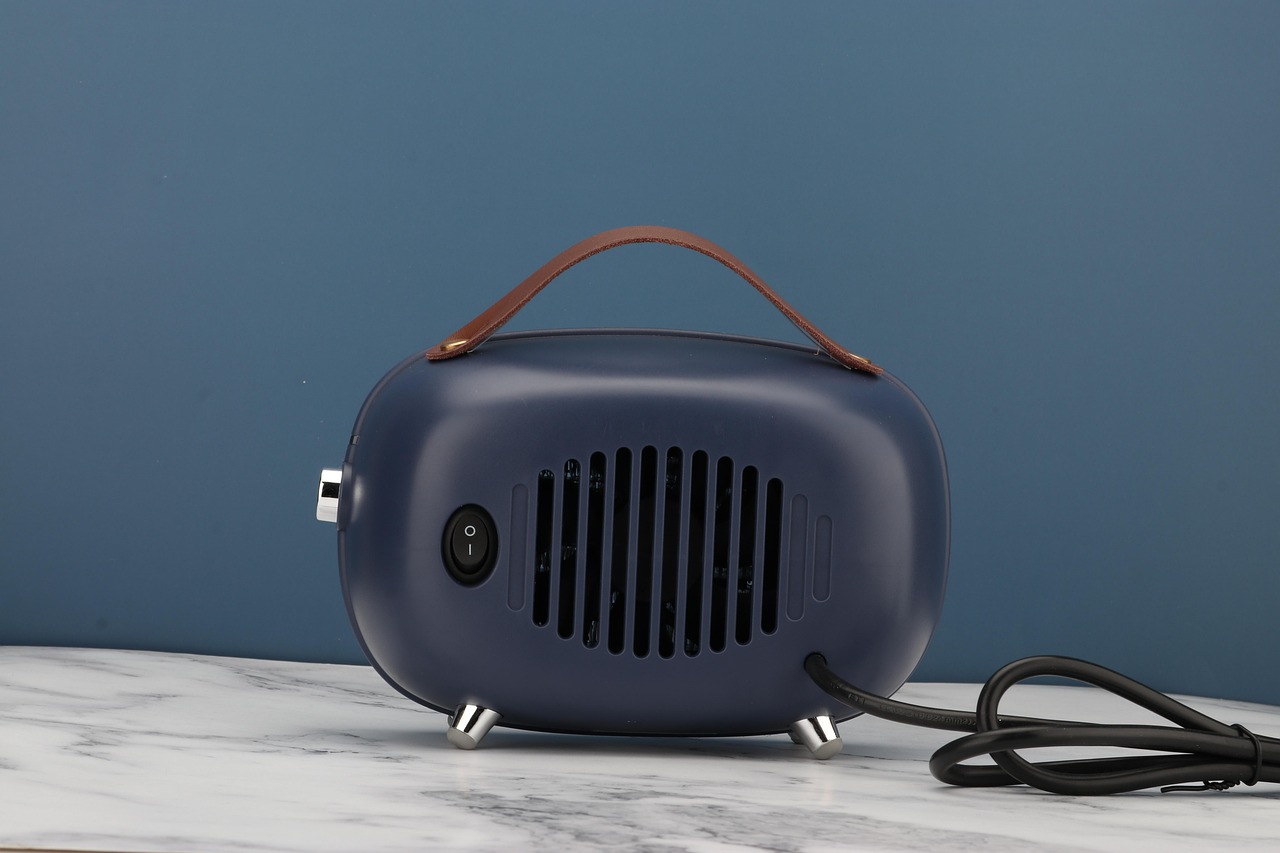
“When the winter chill creeps into your desk, a well‑chosen space heater can be a quiet ally—warm, efficient, and easy to manage.”
1. Understanding Energy‑Efficient Space Heater Technologies
- **Infrared heaters**: Emit radiant heat that warms objects and people directly, so the room itself stays cooler. Ideal for desk‑side use.
- **Convection heaters**: Warm the air and circulate it through the room. Better for closed spaces but take longer to feel the heat.
- **Oil‑filled radiant heaters**: Store heat in the oil, releasing it slowly after the unit is turned off. Keeps the room warm with a lower continuous draw.
- **Ceramic heaters**: Use a ceramic element that heats quickly and safely, offering a middle ground between infrared and convection.
2. Infrared vs. Convection: Choosing the Right Type for Your Office
- **Desk‑side, small area**: Infrared or ceramic for instant, localized warmth.
- **Whole‑room coverage**: Convection or oil‑filled for even distribution.
- **Insulation level**: In well‑insulated rooms, infrared can be more efficient because it doesn’t rely on heating the air.
3. Key Features That Maximize Energy Savings
- **Thermostatic control**: Automatically turns the heater off when the set temperature is reached.
- **Tip‑over switch**: Prevents the unit from running if it falls.
- **Overheat protection**: Shuts down the heater if temperatures rise too high.
- **Timer or programmable settings**: Allows you to schedule heating only when needed.
4. Wattage and Heat Settings for Cost‑Effective Operation
- Standard household heaters max out at 1500 W.
- Lower wattage models (750 W or 1000 W) use less power while still providing adequate warmth for a small office.
- Use the lowest setting that keeps you comfortable; higher settings waste energy.
- Combine heater use with a programmable thermostat for the room to avoid overheating.
5. Essential Safety Precautions for Home Office Heating
- **Never use extension cords or power strips**; plug directly into a grounded outlet.
- Keep the heater at least 3 ft from furniture, curtains, and other flammable materials.
- Check that the unit’s safety features (tip‑over, overheat) are functional before each use.
- Inspect cords and plugs regularly for wear or damage.
- Keep the heater clean and free of dust to maintain efficient operation.
Comments
Post a Comment